Report Outage: (254) 527-3551



Image

THE COOP IS NOT AFFILIATED WITH ANY SOLAR COMPANIES
We do not send companies door to door to sell you solar systems.
Solar. What to know!
Image
- If you are considering investing in a distributed generation system, BEC highly recommends you invest time researching renewable energy before you begin.
- Your research will provide the information and resources necessary to help you understand the economics of a distributed generation system. This includes identifying the most suitable renewable energy technology for your property, exploring financing options, understanding potential incentives, and addressing other requirements, such as insurance.
- Implementing energy efficiency measures, such as adding insulation, sealing air leaks, or using energy-efficient appliances, before installing a distributed generation system can help you save money. These measures will lower your overall energy consumption and reduce the size of the distributed generation system needed to meet your energy needs.
Things to Consider about Solar
What is your purpose for adding solar to your residence?
Environmental, Cost Savings, Offset Electric Bill, Outage Protection?
Cost
The average cost of a standard Solar PV (Photovoltaic) System for a 10kW system ranges from $25,000 to $35,000. A backup battery system to store excess energy costs an additional $2-$4 per watt.
Do you have enough service area on your roof available to accommodate your project?
Each kW of power requires about 50-70 square feet of roof or yard space. A typical 10kW system would require 500-700 square feet as a reference.
Tax Credits
There may be federal and state tax credits for solar projects. Please consult your solar vendor and your tax consultant for details.
Opportunities vary by state and locale and have many expiration dates. Utilize database websites offering details on state-specific incentives and tax breaks, such as https://programs.dsireusa.org/system/program/tx
How will the Solar System interact with BEC’s Distribution System?
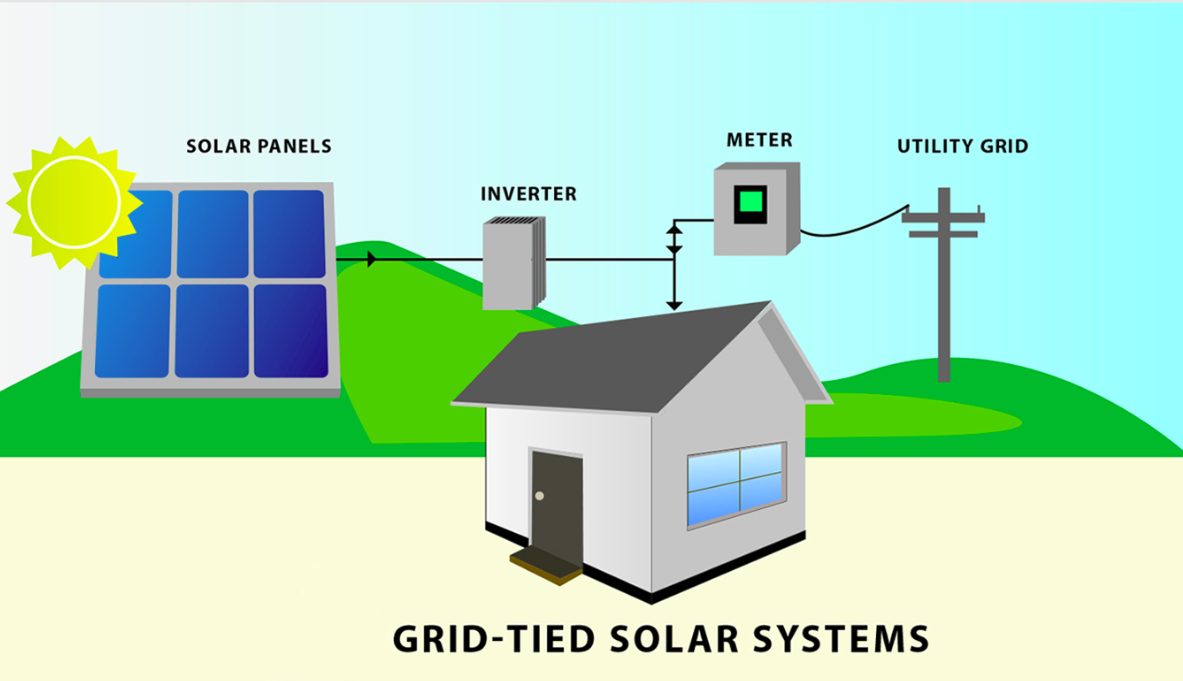
Most solar systems are designed to supply only a portion of your electricity needs and typically do not provide 100% of your power consumption. This means that during the night, on cloudy days, or during periods of high energy usage, you may need more electricity than your photovoltaic (PV) system can generate. Consequently, you will still be connected to your utility's power lines.
Since these systems are grid-connected, electricity can flow both ways. Each utility, including Bartlett Electric Cooperative, sets specific policies and rates for connecting PV systems to the grid, as well as for purchasing any excess energy your system may produce.